
Introduction
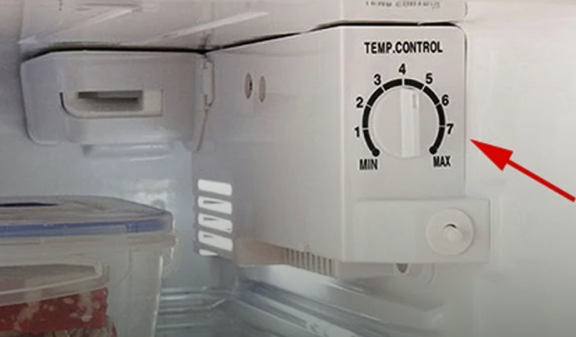
Refrigerators run 24/7, making them one of the highest electricity-consuming appliances in the home. A surprising number of people recently learned about a tiny button found in many refrigerator models—one that can help save energy, reduce utility bills, and even prevent unnecessary frost buildup. This small, often-overlooked feature has become a viral topic because most consumers never realized what it actually does.
Origin
The “mystery button” trend began when appliance experts and energy-saving enthusiasts started sharing videos on social media showing how refrigerators have built-in energy-saving or anti-condensation switches.
These switches have been included in refrigerators for decades, particularly on older and mid-range models. They were originally designed to stop moisture from forming around the door seals—but the function can be turned on or off depending on conditions, influencing energy use.
Cultural Significance
The viral response reflects:
- How little people sometimes know about their household appliances
- A growing global interest in reducing electricity consumption
- The power of social media to revive old features people forgot existed
- Increased environmental awareness
People were fascinated to discover that a tiny, unnoticed switch could meaningfully change energy costs—especially in hotter climates where refrigerators work harder.
Ingredients Quantity
(Instead of food ingredients, here are the “components” involved in this refrigerator feature.)
Components of the Refrigerator’s Energy-Saving Switch:
- Anti-sweat heater element around the refrigerator door frame
- Control switch (labeled “Energy Saver,” “Anti-Condensation,” “Humidity Control,” or simply a small button)
- Thermostat sensors
- Door gasket area where moisture typically forms
Optional Additions
Newer refrigerators may have additional features:
- Adaptive defrost system
- Eco-mode settings
- Digital humidity-control sensors
- Door alarm and efficiency monitors
- High-efficiency inverter compressors
These complement the small button but do not replace its purpose.
Tips for Success
To use the switch correctly and safely:
- Use the energy-saving switch when the air is dry (winter, air-conditioned homes).
- Turn the heater ON when humidity is high and moisture forms around the door frame.
- If you see water droplets around the gasket, disable energy-saving mode.
- Clean door seals regularly so condensation doesn’t worsen.
- Avoid opening the door excessively, which increases humidity inside.
- Check the refrigerator manual—the button’s name varies but the function is similar.
Instructions (How to Use the Button)
- Locate the small button or switch
- It may be inside the fridge, along the sidewall, near the light, or near the temperature controls.
- It may be labeled:
- “Energy Saver”
- “Humidity Control”
- “Anti-Sweat”
- “Eco Switch”
- Turn the switch to Energy Saver / OFF
- This disables the anti-sweat heater.
- The fridge consumes less power.
- Monitor for moisture
- If no condensation appears around the door frame after a day or two, leave it OFF.
- If moisture appears, turn the heater back ON.
- Pair with other energy-saving habits
- Keep the fridge full but not overloaded.
- Allow hot foods to cool before storing.
- Keep coils clean for maximum efficiency.
Description
The refrigerator’s tiny button controls a heating strip hidden inside the frame of the fridge door. Its job is to prevent condensation and moisture buildup. However, this heater consumes electricity continuously.
When humidity is low, the heater isn’t needed, so turning it off can save a noticeable amount of energy. The result? A cooler-running refrigerator, reduced strain on the compressor, and lower electricity bills.
Nutritional Information
(Presented as energy-related “data,” since this is not a food topic.)
Energy Consumption Data (Approximate):
- Anti-sweat heater use: 5–15% of total refrigerator energy
- Typical heater wattage: 8–30 watts
- Annual energy waste if always ON: up to 60–100 kWh/year
- Potential annual savings: $8–20 per household
- Global potential savings: millions in collective energy costs
(Values vary by model and climate.)
Conclusion
The tiny, often-ignored refrigerator button that went viral online is more useful than most people ever realized. By simply toggling it depending on humidity levels, households can reduce energy consumption, extend the life of their refrigerator, and cut electricity costs—without sacrificing performance.
Recommendation
- Check your refrigerator today to see if it has an Energy Saver or Humidity Control switch.
- Use it in dry conditions.
- Turn it off if condensation appears.
- Combine it with other energy-saving habits for the best results.
Small changes can lead to big savings—especially when applied consistently.
Embracing Healthful Indulgence
Even though this isn’t a food recipe, embracing mindful energy use is a form of “healthful indulgence” for your home and environment. Making simple adjustments:
- Reduces your carbon footprint
- Protects your appliances
- Lowers your monthly bills
- Helps create a more efficient, eco-friendly lifestyle