
Introduction
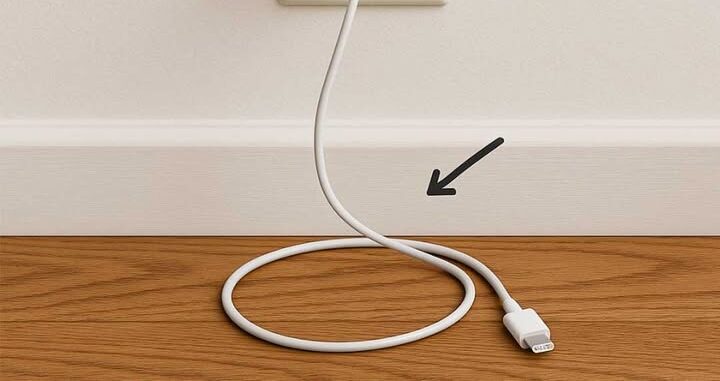
It seems harmless—leaving your phone charger plugged into the wall even when no device is connected. Many people do it daily without a second thought. However, this small habit can quietly create safety risks, waste energy, and shorten the life of your charger. Understanding why you should unplug chargers when not in use can help protect your home, your devices, and even your wallet.
Origin
The widespread use of chargers began with the rapid growth of mobile phones, laptops, and smart devices in the early 2000s. As charging became a daily routine, leaving chargers plugged in turned into an unconscious habit. What many don’t realize is that early electrical safety studies already warned against idle power draw and heat buildup—even when devices are not actively charging.
Cultural Significance
In modern culture, chargers symbolize constant connectivity and convenience. Homes, offices, cafés, and airports are filled with plugged-in cables waiting for use. However, as awareness around energy conservation and home safety grows, unplugging unused electronics has become part of smarter, more responsible living habits across many households.
Ingredients Quantity (What’s Involved)
- Electrical outlet – 1
- Phone charger (USB or fast charger) – 1
- Household electricity supply – continuous
- Time left plugged in – hours or days
No physical ingredients—just everyday items with hidden consequences.
Optional Additions
- Surge protectors with on/off switches
- Smart plugs that cut power automatically
- Cable organizers to reduce temptation
- Power strips for easier unplugging
Top 6 Reasons Never to Leave a Charger Plugged In Without a Phone
1. Fire Risk
Even without a phone connected, chargers continue to draw electricity. Poor-quality or damaged chargers can overheat, increasing the risk of electrical fires—especially overnight.
2. Phantom Power Consumption
Chargers consume “standby power,” also known as vampire energy. While small individually, these losses add up over time and increase your electricity bill unnecessarily.
3. Shortened Charger Lifespan
Continuous power flow causes internal components to wear out faster. This can lead to loose connections, overheating, or sudden failure.
4. Risk During Power Surges
Unplugged chargers are safe from voltage spikes. Plugged-in chargers can be damaged during lightning storms or power fluctuations, even when unused.
5. Safety Hazard for Children and Pets
Loose, plugged-in chargers can attract children or pets, increasing the risk of shocks, chewing damage, or pulled outlets.
6. Environmental Impact
Wasted electricity contributes to higher energy demand, increasing carbon emissions over time. Unplugging chargers is a simple step toward more sustainable living.
Tips for Success
Instructions (Safe Charger Habits)
- Unplug chargers immediately after use.
- Store chargers away from heat or moisture.
- Inspect cords regularly for damage.
- Avoid charging near flammable materials.
- Use certified chargers approved for your device.
Description
A charger left plugged into an outlet continues to draw small amounts of electricity and remains exposed to heat, surges, and environmental risks. While it may seem insignificant, over time this habit can compromise safety, efficiency, and device longevity.
Nutritional Information
Not applicable.
This topic relates to electrical safety and energy use, not food consumption.
Conclusion
Leaving a charger plugged in without a phone may feel harmless, but it carries real risks—from fire hazards to wasted energy. Unplugging chargers is a simple habit that improves safety, saves money, and protects your devices.
Recommendation
Make it a rule: no device, no charger in the outlet. Pair this habit with quality chargers and smart power solutions for maximum safety and efficiency.
Embracing Healthful Indulgence
A safe home is part of a healthy lifestyle. Reducing electrical risks and unnecessary energy use supports peace of mind, environmental responsibility, and long-term well-being—all through one small daily choice.