
Introduction
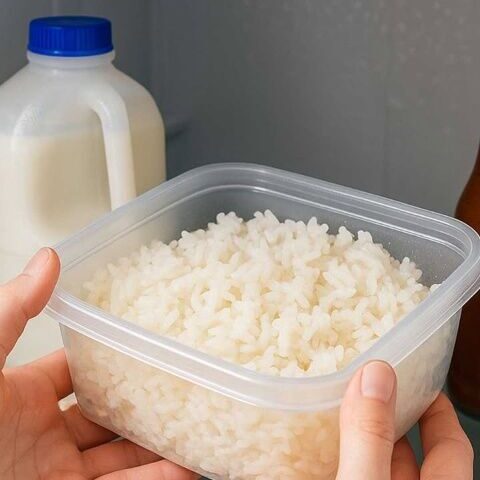
Cooked rice is a staple in many households, valued for its simplicity, affordability, and versatility. However, few people realize that improper storage of cooked rice can pose serious food safety risks. Understanding how rice behaves after cooking—and what happens when it’s stored incorrectly—can help prevent foodborne illness and protect your health.
Origin
Awareness of rice-related food poisoning emerged through food safety research, particularly studies involving Bacillus cereus, a bacterium commonly found in rice. As refrigeration became widespread in the 20th century, leftover storage practices improved, but misconceptions about rice safety persisted, making education on proper handling increasingly important.
Cultural Significance
Rice is a global dietary cornerstone, deeply embedded in Asian, African, Middle Eastern, and Latin cuisines. Because it is prepared in large batches and frequently saved for later meals, safe storage practices are especially important. In many cultures, leftover rice is reused in dishes like fried rice or rice porridge, highlighting the need for correct cooling and reheating habits.
Ingredients Quantity
This topic does not involve traditional cooking ingredients, but rather food safety elements:
- Cooked rice (any variety)
- Airtight food storage containers
- Refrigerator set at or below 40°F (4°C)
- Freezer for long-term storage
- Heat source for proper reheating
Optional Additions
- Shallow containers to speed cooling
- Labels for tracking storage dates
- Portion-sized freezer bags
- Food thermometer for reheating accuracy
Tips for Success
- Cool rice quickly, ideally within 1 hour
- Never leave rice at room temperature for extended periods
- Use airtight containers to prevent contamination
- Store rice in shallow layers for faster chilling
- Consume refrigerated rice within 24 hours
- Freeze rice if it won’t be eaten soon
- Reheat rice only once and until steaming hot
- Discard rice that smells off or was left out too long
- Never assume refrigeration makes unsafe rice safe
- When unsure, choose safety over saving leftovers
Instructions
After cooking, spread rice in shallow containers to release heat quickly.
Allow it to cool briefly, but refrigerate within 1 hour.
Seal containers tightly and store in the refrigerator or freezer.
Use refrigerated rice within 24 hours.
Reheat thoroughly until steaming hot throughout.
Discard any rice that was left out too long or reheated more than once.
Description
Properly stored rice should appear moist but not wet, smell neutral, and reheat evenly. Unsafe rice often shows no visible signs of spoilage, making correct handling practices essential. The danger lies not in the rice itself, but in how it is cooled, stored, and reheated.
Nutritional Information (Approximate per 1 cup cooked white rice)
Calories: 200
Carbohydrates: 45g
Protein: 4g
Fat: 0.5g
Fiber: 1g
Sodium: 0mg
Note: Nutritional value remains stable, but safety depends entirely on storage practices.
Conclusion
Storing cooked rice without proper knowledge can lead to serious health risks. Understanding the science behind rice spoilage empowers you to enjoy leftovers safely and confidently. Simple habits—cooling quickly, storing correctly, and reheating properly—make all the difference.
Recommendation
Treat cooked rice as a high-risk leftover. If you plan ahead, freeze portions immediately and reheat only what you need. Never rely on appearance or smell alone to judge safety.
Embracing Healthful Indulgence
Rice is a nourishing and comforting food when handled responsibly. By respecting food safety principles, you can continue enjoying rice as part of a balanced, wholesome diet while protecting your health and your family’s well-being.