
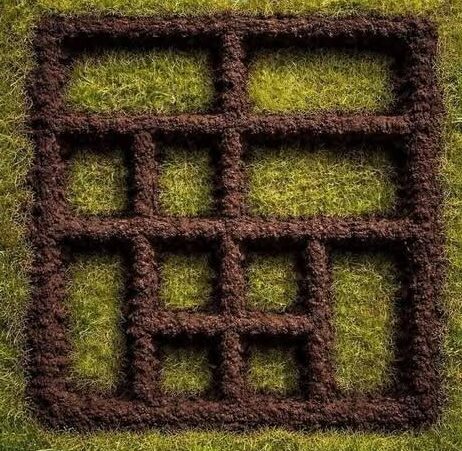
Introduction
“Counting Squares and Narcissism” is a fascinating blend of visual intelligence and psychological reflection. At first glance, it may appear to be a simple puzzle that challenges you to count the number of squares hidden within a geometric design. However, the title introduces a deeper layer by connecting the act of observation with the concept of narcissism — a personality trait often linked to self-focus, perception, and interpretation. Together, they create an engaging mental exercise that stimulates both analytical thinking and self-awareness.
Origin
Square-counting puzzles have existed for decades in educational books, newspapers, and brain-training activities. They are designed to sharpen concentration, spatial awareness, and logical reasoning. The term “narcissism” originates from the ancient Greek myth of Narcissus, a young man who became captivated by his own reflection. Over time, the word evolved into a psychological concept describing excessive self-centeredness or admiration of oneself.
Combining these two ideas into one puzzle creates a modern intellectual challenge that not only tests visual perception but also encourages symbolic interpretation and discussion about human behavior.
Cultural Significance
Visual puzzles are universally appreciated because they transcend language barriers and encourage problem-solving across all ages. In modern digital culture, square-counting puzzles frequently appear on social media as “IQ tests” or attention challenges, sparking conversations and friendly competition.
The inclusion of narcissism adds cultural relevance because society today often discusses self-image, social media validation, and personal identity. The puzzle becomes more than entertainment — it reflects how people observe details, focus attention, and interpret complexity differently.
Ingredients Quantity
To create or enjoy a “Counting Squares and Narcissism” puzzle, you only need a few simple elements:
- 1 geometric square-based design
- 1 curious and observant mind
- A few minutes of concentration
- Logical reasoning skills
- Patience and attention to detail
Suggested Puzzle Components
- Large outer square
- Multiple smaller embedded squares
- Overlapping lines or grids
- Hidden square combinations
- Symbolic or reflective title
Optional Additions
You can make the puzzle more engaging with creative variations such as:
- Timed challenges for competitive play
- Colored sections to increase visual complexity
- Psychological discussion questions
- Group-solving activities
- Symbolic artwork representing self-reflection
- Digital interactive versions
Tips for Success
- Start by counting the smallest visible squares first.
- Move systematically from small to large shapes.
- Avoid rushing, as overlapping squares are easy to miss.
- Use a finger or pointer to track counted sections.
- Recheck your total to avoid double-counting.
- Think beyond the obvious — many hidden squares are formed by combining smaller ones.
Instructions
- Observe the puzzle carefully before counting.
- Identify and count the smallest squares in the design.
- Move to medium-sized squares formed by grouped sections.
- Count the largest visible squares last.
- Double-check overlapping and hidden combinations.
- Compare your answer with others and discuss different counting methods.
- Reflect on the symbolic meaning behind the puzzle’s title and how perception influences interpretation.
Description
This puzzle combines logic, observation, and symbolism into one intriguing experience. The geometric arrangement challenges the brain to recognize patterns and hidden structures, while the theme of narcissism introduces psychological depth. Some viewers may focus only on the obvious details, while others explore deeper meanings and hidden interpretations. This dual-layer design makes the puzzle intellectually stimulating and socially engaging.
Nutritional Information
While not edible, this mental puzzle offers several “brain-health benefits”:
- Enhances concentration
- Strengthens visual processing skills
- Encourages patience and persistence
- Improves logical reasoning
- Stimulates creative interpretation
- Promotes discussion and critical thinking
Conclusion
“Counting Squares and Narcissism: A Puzzle with Meaning” is more than a simple counting exercise. It combines mathematics, psychology, and symbolism into a thoughtful challenge that entertains while encouraging deeper reflection. By blending visual perception with themes of self-awareness and interpretation, the puzzle becomes both mentally stimulating and culturally meaningful.
Recommendation
This puzzle is ideal for:
- Students developing critical-thinking skills
- Teachers introducing creative problem-solving
- Families seeking educational entertainment
- Social media audiences who enjoy visual challenges
- Anyone interested in psychology and perception
It works well as both a brain teaser and a conversation starter.
Embracing Healthful Indulgence
Mental puzzles like this provide a healthy form of entertainment that exercises the brain without stress or pressure. Taking time to engage with thoughtful challenges can improve focus, creativity, and mindfulness. In a fast-paced digital world, puzzles that encourage observation and reflection offer a refreshing way to relax while strengthening cognitive skills.