
Introduction
Oregano is more than just a flavorful herb sprinkled on pizza or pasta—it has long been valued in traditional medicine for its potential health benefits. Modern science has started to explore these claims, examining how oregano’s natural compounds may contribute to overall wellness.
Origin
Oregano originates from the Mediterranean region, where it thrives in warm, dry climates. Its name comes from Greek, meaning “joy of the mountains.” It has been used for centuries in countries like Greece and Italy, both as a culinary staple and a medicinal herb.
Cultural Significance
In ancient times, oregano symbolized happiness and health. The Ancient Greeks used it in rituals and herbal remedies, while the Ancient Romans spread its use across Europe. Traditionally, oregano has been used to support digestion, soothe respiratory issues, and preserve food naturally due to its antimicrobial properties.
Key Active Compounds
Oregano’s wellness potential comes from its bioactive compounds:
- Carvacrol – Known for antimicrobial and anti-inflammatory effects
- Thymol – Supports immune defense and has antiseptic properties
- Rosmarinic acid – A powerful antioxidant
These compounds are most concentrated in oregano oil, though the fresh and dried herb also contain beneficial amounts.
Ingredients Quantity
For daily use:
- Fresh oregano leaves: 1–2 tablespoons
- Dried oregano: 1–2 teaspoons
- Oregano tea: 1 cup (made from a few leaves or ½ teaspoon dried oregano)
Optional Additions
- Honey for soothing teas
- Lemon for added vitamin C
- Olive oil to enhance absorption of fat-soluble compounds
- Garlic for synergistic antimicrobial effects
Tips for Success
- Use fresh oregano when possible for stronger flavor and nutrients
- Store dried oregano in a cool, dark place to preserve potency
- Avoid excessive intake of oregano oil—it is highly concentrated
- Combine oregano with a balanced diet rather than relying on it alone
Instructions
Oregano Tea:
- Boil 1 cup of water.
- Add fresh or dried oregano.
- Let steep for 5–10 minutes.
- Strain and add honey or lemon if desired.
Culinary Use:
- Sprinkle dried oregano over dishes like vegetables, meats, or sauces.
- Add fresh leaves at the end of cooking for maximum flavor.
Description
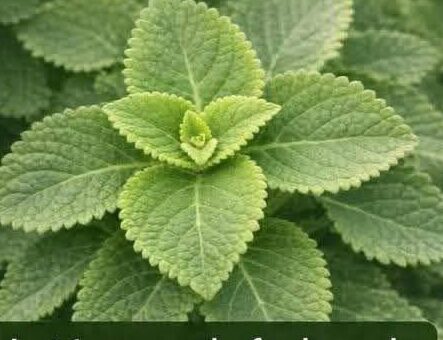
Oregano is a fragrant herb with small green leaves and a warm, slightly bitter taste. It belongs to the mint family and is widely used in Mediterranean cuisine. Beyond its flavor, it offers a range of plant compounds that contribute to its reputation as a wellness-supporting herb.
Nutritional Information (per teaspoon dried oregano approx.)
- Calories: ~3 kcal
- Antioxidants: High
- Vitamin K: Present
- Iron: Small amounts
- Fiber: Trace
Scientific Perspective: Wellness Benefits
Supported by Research:
- Antimicrobial activity: Carvacrol and thymol can inhibit certain bacteria and fungi in lab studies
- Antioxidant effects: Helps combat oxidative stress
- Anti-inflammatory properties: May support overall immune health
Still Under Investigation:
- Effects on chronic diseases (most studies are preliminary or animal-based)
- Impact of oregano oil supplements in humans
- Long-term benefits of high-dose consumption
Common Misconceptions:
- Oregano is not a cure for infections or serious illness
- “Natural” does not always mean safe in large amounts
- Supplements are not a replacement for medical treatment
Conclusion
Oregano is a scientifically interesting herb with promising properties, especially in terms of antioxidants and antimicrobial compounds. However, most of its powerful effects are observed in controlled laboratory settings rather than everyday dietary use
Recommendation
Incorporate oregano regularly into meals or enjoy it as a tea for gentle wellness support. If considering oregano oil supplements, use caution and consult a healthcare professional.
Embracing Healthful Indulgence
Oregano shows how simple herbs can contribute to a healthy lifestyle when used thoughtfully. By combining traditional knowledge with scientific understanding, you can enjoy its benefits without falling for exaggerated claims—keeping your approach to wellness both balanced and informed.