
Introduction
Guava is often praised as a “superfruit” thanks to its rich nutrient profile and refreshing taste. Across social media and wellness blogs, it’s linked to benefits ranging from improved digestion to glowing skin. But how much of this is supported by science, and how much is exaggerated? Understanding the difference between fact and hype helps you make smarter, healthier choices.
Origin
Guava is believed to have originated in Central America and northern South America, where it has been cultivated for thousands of years. It later spread to tropical and subtropical regions around the world, including Asia, Africa, and the Caribbean, becoming a staple fruit in many traditional diets.
Cultural Significance
In many cultures, guava is more than just a fruit—it’s part of daily life and tradition. It is used in juices, desserts, jams, and even savory dishes. In some regions, guava leaves are also used in traditional remedies, especially for digestive issues. Its accessibility and versatility have made it a symbol of natural, affordable nutrition.
Ingredients Quantity
Since this is an informational topic rather than a recipe, here’s a simple “serving” reference for nutritional context:
- 1 medium fresh guava (about 100–150g)
- Optional: guava juice (1 cup), guava paste (small portion)
Optional Additions
To enhance both taste and nutritional value:
- A squeeze of lemon juice for extra vitamin C
- A pinch of salt or chili powder (common in many cultures)
- Pairing with yogurt for added protein
- Blending into smoothies with other fruits
Tips for Success
- Choose ripe guavas that are slightly soft and fragrant
- Eat the skin for maximum fiber and nutrients
- Wash thoroughly before consumption
- Avoid overconsumption if you have sensitive digestion
- Balance guava intake with a varied diet rather than relying on it as a “miracle food”
Instructions
- Wash the guava thoroughly under running water.
- Slice into halves or quarters.
- Eat fresh, or incorporate into smoothies, salads, or juices.
- For tea, guava leaves can be boiled and strained (commonly used in traditional practices).
Description
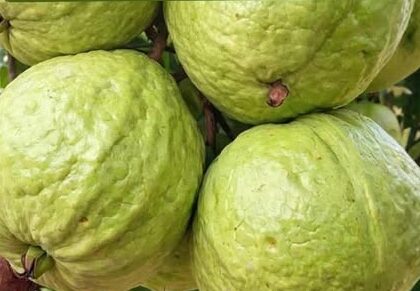
Guava is a tropical fruit with green or yellow skin and pink, white, or red flesh. It has a sweet, slightly tangy flavor and a strong, pleasant aroma. The fruit is rich in vitamin C, fiber, and antioxidants, making it a nutritious addition to a balanced diet.
Nutritional Information (per 100g approx.)
- Calories: ~68 kcal
- Vitamin C: Very high (more than oranges)
- Fiber: ~5g
- Vitamin A: Moderate
- Potassium: Present
- Antioxidants: High
Guava Health Claims: Fact vs Reality
Claims Supported by Evidence:
- Boosts immunity: High vitamin C content supports immune function
- Improves digestion: Fiber helps regulate bowel movements
- Supports heart health: Potassium and antioxidants may help
Claims That Are Overstated:
- “Cures diabetes” – It may help regulate blood sugar, but it is not a cure
- “Melts fat instantly” – No fruit alone causes weight loss
- “Heals all skin problems” – Nutrients support skin, but results vary
Conclusion
Guava is undeniably a nutritious and beneficial fruit, but it’s not a miracle cure. Its real value lies in its rich vitamin content, fiber, and versatility in a balanced diet.
Recommendation
Include guava as part of your regular fruit intake, but combine it with other healthy foods, proper hydration, and an active lifestyle for the best results. Moderation and variety are key.
Embracing Healthful Indulgence
Enjoy guava not just for its potential health benefits, but for its natural sweetness and cultural richness. When you focus on whole, nourishing foods like guava without overestimating their powers, you create a sustainable and enjoyable approach to healthy living.